

types of glass coating
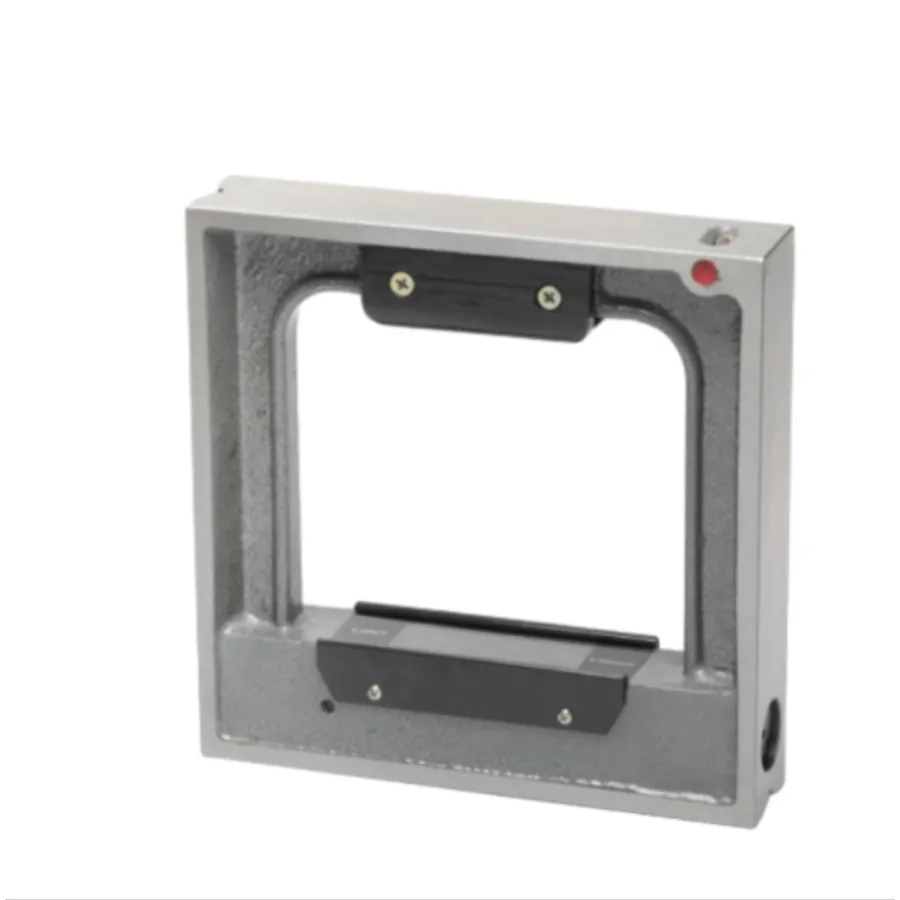
The Use of Spirit Level A Fundamental Tool in Construction and Masonry In the world of construction and masonry, precision is paramount. Whether erecting a new building, installing cabinets, or laying tiles, ensuring that surfaces are level is crucial to the integrity and aesthetics of the finished product. Among the many tools that help achieve this accuracy, the spirit level stands out as one of the most essential. Understanding the Spirit Level A spirit level, often simply called a level, is a handheld tool designed to indicate whether a surface is horizontal (level) or vertical (plumb). The tool typically consists of a sealed tube containing liquid and an air bubble. When the bubble is centered between two markings on the tube, the surface being measured is perfectly level. This seemingly simple device relies on the fundamental principle of gravity; regardless of the surface conditions, the bubble will always move to its highest point when the level is tilted. Types of Spirit Levels There are various types of spirit levels, each suited for specific tasks. The most common type is the carpenter’s level, which is usually made of wood or aluminum and has one or more vials for level measurement. The torpedo level, a smaller version, is convenient for tight spaces, while the line level is used in landscaping, suspended on a string to ensure continuous horizontal alignment. For professional use, digital levels offer electronic readouts and enhanced accuracy, appealing to engineers and architects working on complex projects. Importance in Construction The spirit level is crucial in various construction applications. Its primary use is in the erection of walls and installations where vertical accuracy is needed. When constructing walls, builders must ensure that each course of brick or block is level; otherwise, the structure may not only look unsightly but can also lead to structural failure over time . Similarly, when installing cabinets or countertops, a spirit level is indispensable. An uneven surface can cause doors and drawers to stick and can affect the overall functionality of the installed appliances. the use of spirit level In flooring projects, the importance of the spirit level cannot be overstated. Floors that are not level will result in uneven wear, and in some cases, can even cause safety hazards. Installing tiles without checking for level can lead to a domino effect of misalignment, resulting in a poor aesthetic outcome and potentially costly repairs. Benefits of Using a Spirit Level The advantages of incorporating a spirit level into construction workflows are numerous. Firstly, it promotes accuracy and quality in any project, whether large or small. Using a level can prevent costly mistakes that arise from working with uneven surfaces, which often require intensive rework. Secondly, the spirit level increases efficiency. When a builder uses a level, they can work more swiftly, minimizing the chances of having to redo work. This not only saves time but also reduces the overall labor costs associated with construction. Finally, utilizing a spirit level is a matter of safety. Structures that are not built to precise specifications can pose risks to those who will use them. Ensuring that surfaces are level and aligned prevents issues that could lead to mishaps, especially in commercial buildings where foot traffic is heavy. Conclusion The spirit level, while sometimes considered a basic tool, plays an undeniable role in the success of construction and masonry projects. Its ability to provide instant feedback about the levelness of a surface is vital for ensuring quality, efficiency, and safety. Carpenters, builders, and DIY enthusiasts alike rely on this simple yet powerful instrument to create spaces that are not only functional but also visually appealing. Understanding how to properly use a spirit level is a fundamental skill that stands the test of time, proving that sometimes, the simplest tools are the most effective. As construction technology progresses, the spirit level remains a timeless companion to craftsmanship, a tool that embodies precision and reliability in every project undertaken.
about
types of glass coating
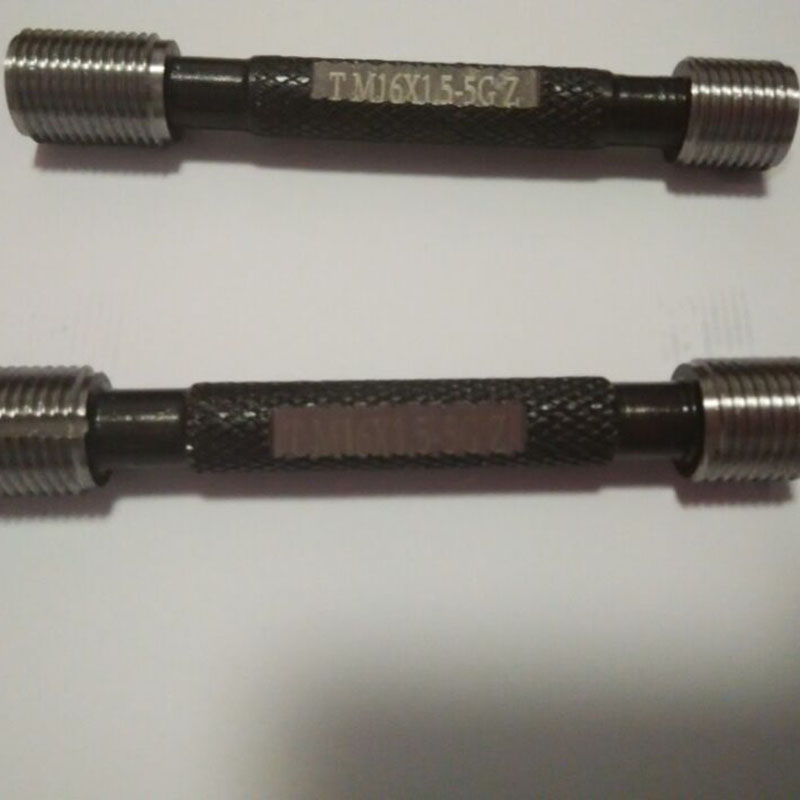
Understanding Gauge Pin Class A Comprehensive Overview In the realm of precision engineering and manufacturing, the concept of gauge pin classes plays a pivotal role in ensuring measurement accuracy and quality control. Gauge pins are often utilized as reference tools in the checking of dimensions, particularly in hole diameters, and it is essential to comprehend the various classes and standards associated with them. What are Gauge Pins? Gauge pins, also known as gauge blocks or precision pins, are cylindrical tools used to measure or check the diameter of holes accurately. Typically made from high-quality steel or carbide, these pins are designed to provide a specific diameter that is standardized, allowing for consistent measurements across various applications. They are integral to the fields of manufacturing, quality assurance, and mechanical engineering. Classification of Gauge Pins Gauge pins are classified according to their tolerances, which define how much deviation from the nominal size is permissible. These tolerances are critical to ensure that the parts being manufactured fit together correctly. The common classes of gauge pins include 1. Class A These pins have the tightest tolerances and are used in applications where precision is paramount. They are ideal for industries that require high-quality measurements and fittings, such as aerospace and automotive sectors. 2. Class B This class allows for slightly larger tolerances than Class A while still maintaining high levels of accuracy. Class B gauge pins are often used in situations where some degree of tolerable variation is acceptable, making them versatile for general engineering applications. 3. Class C Class C pins have the widest tolerances and are typically employed in applications where precision is less critical. They are commonly used in initial checking processes or for parts that do not require a high level of accuracy. gauge pin class The classification of gauge pins ensures that engineers and quality control professionals can choose the right tool for their specific needs, improving efficiency and accuracy in the manufacturing process. Standards and Measurement The tolerances associated with gauge pins are defined by various international standards. One of the most recognized standards is ISO (International Organization for Standardization) 286, which outlines the general principles of dimensional tolerancing. These standards are crucial as they provide a universal language for manufacturers, helping to ensure that different components fit together seamlessly regardless of where they were produced. Accurate measurement using gauge pins involves the right techniques. For instance, when measuring a hole, the pin should be inserted with a steady force to avoid altering the reading due to unexpected flexing or misalignment. It’s also vital to ensure that the pins are clean and free from debris to maintain the integrity of the measurements. Applications of Gauge Pins Gauge pins are widely used across various industries. In manufacturing, they are used to verify hole sizes, ensuring that parts assemble correctly. In quality control, they help in validating the production processes by confirming that components meet specified tolerances before they leave the factory. Moreover, in the tool and die industry, gauge pins are used as references for creating molds and dies, which must be manufactured to exact specifications. They also find applications in the calibration of measuring equipment, providing reliable benchmarks that enhance the precision of other measurement tools. Conclusion In conclusion, gauge pin classes are essential elements in the field of precision measurement and quality assurance. Understanding the different classes, tolerances, and applications of gauge pins enables engineers and manufacturers to select the right tools for their specific needs, promoting high standards of accuracy and efficiency in production. As industries continue to demand higher precision, the importance of gauge pins and their classification will only grow, underscoring their integral role in the future of manufacturing and engineering. Whether in aerospace, automotive, or general engineering, the significance of gauge pins remains undeniable, confirming their place as indispensable tools in the quest for quality and precision in modern manufacturing.
-

High quality industrial productsagement

High quality industrial products
View Details -

Meet the diverse needs of customers

Meet the diverse needs of customers
View Details -

Strict quality control

Strict quality control
View Details -

Top raw materials

Top raw materials
View Details -

Trusted supplier

Trusted supplier
View Details
Our application


news and information
water gate valve
The water globe valve is a pivotal component in fluid control systems, lauded for its versatility, p
welded steel workbench
The Advantages of Using a Welded Steel Workbench In the realm of industrial workspaces, the signific

V Guide Rail - Precision Guiding Solutions for Enhanced Motion Control
The Importance of Guide Rails in Modern Infrastructure In the complex world of modern infrastructure
 English